Ancient Environmental Genomics Initiative for Sustainability
The past is a road map to a sustainable future

The Ancient Environmental Genomics Initiative for Sustainability (AEGIS) is a global consortium directed by Professor Eske Willerslev at the Globe Institute, University of Copenhagen, supported by the Novo Nordisk Foundation and the Wellcome Trust.
By analyzing ancient environmental DNA together with other biomolecular evidence from soils, sediments, ice, and oceans, we uncover how past ecosystems adapted to climate change – to inform the development of climate-resilient crops and stronger biodiversity conservation for a warming planet.

Discover our science
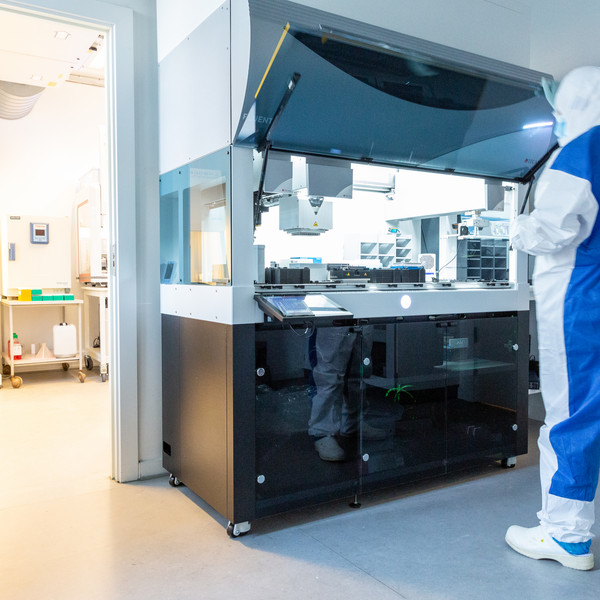
Genes Linked to Resilience
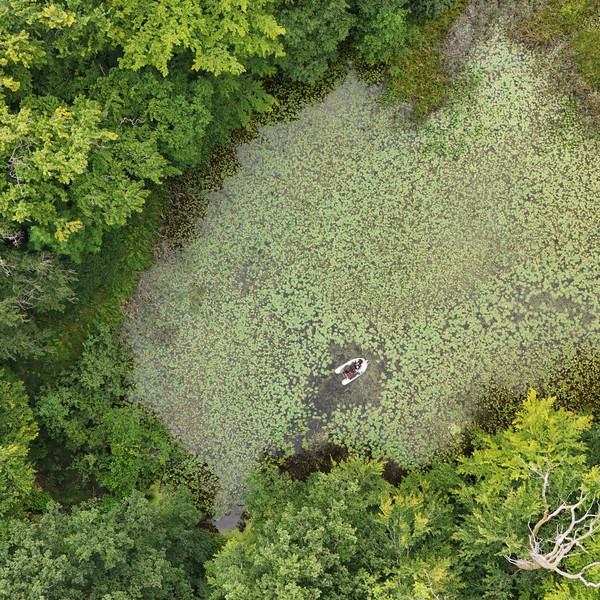
How Species Changed Over Time
Identifying Life in the Data
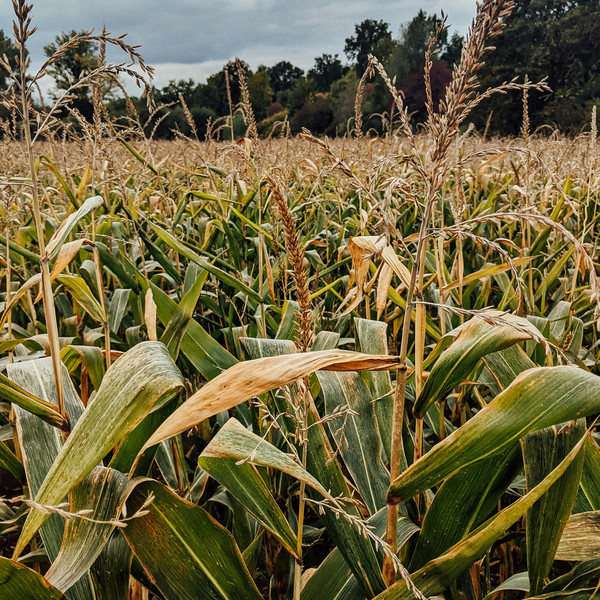
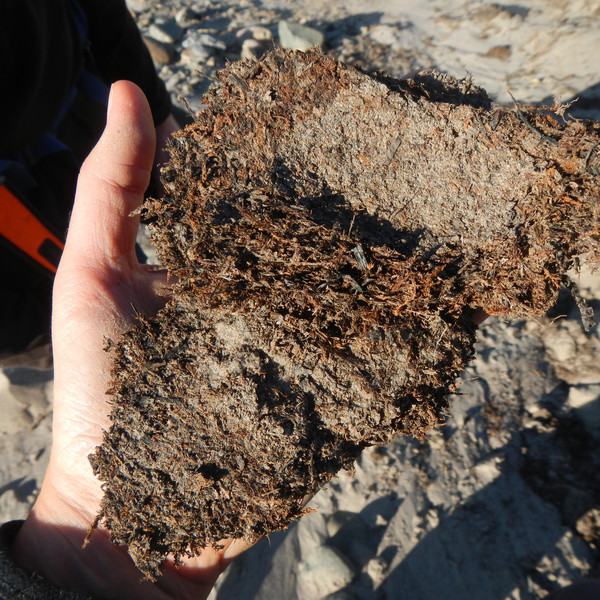
Sampling & Extraction of Ancient DNA
Our stories

Kap København Formation - from geological discovery to a new frontier in environmental genomics
AEGIS researcher Kurt H. Kjær reflects on the scientific journey of the Kap København Formation, from its geological discovery in North Greenland to the breakthrough environmental DNA research that helped...

AEGIS featured in Swedish newspaper Dagens ETC
AEGIS and Director Eske Willerslev have been featured in the Swedish newspaper Dagens ETC, a national daily known for its coverage of climate, environment, and sustainability.
Partners