02 Science

The Challenge
Climate change threatens global food security. The IPCC (UN’s Intergovernmental Panel on Climate Change) predicts that under a high-emission, “business-as-usual” future – where global greenhouse gas emissions continue to rise – more than 30% of the world’s crop and livestock areas may become unsuitable for food production by the end of this century, placing hundreds of millions at risk of hunger.
Identifying climate-change resilient traits at species or cropping-system level remains one of the major challenges for the agricultural sector, which currently lacks evidence-based tools to predict and prioritize target traits. Developing such tools is essential if we are to safeguard future food production and build farming systems that can withstand a rapidly changing climate.

Nature has already tested millions of climate adaptation strategies. AEGIS retrieves them.
Across Earth’s history – during alternating ice ages and warming periods – some plants, animals, and microbes adapted to survive environmental changes while others went extinct. Each period produced its own adaptations and genetic variation that has disappeared through the course of evolution. Human selection and modern breeding have accelerated this loss of genetic variation in domesticated species and ecosystems. Yet even when traits are lost, the genetic record of their existence can remain.
Using ancient environmental DNA as a roadmap
Soils are rich genetic depositories. While seed banks, wild relatives and old crop varieties serve as reservoirs for genetic variation, these sources only represent a small fraction of the genetic variation that has ever existed on earth.
A single gram of soil can contain billions of fragments of ancient environmental DNA (eDNA) and other biological molecules and isotopes preserved over thousands to millions of years. The DNA record can reveal entire past ecosystems: plants, animals, fungi, microbes, as well as climate condition and geochemical compositions – even when no fossils remain as well as the genetic variation of a trait and biomolecules like lipids and isotopes can inform on the changes that the environment and climate has undergone during the course of time.
Combining shotgun DNA sequencing, biomolecules and isotope profiling from ancient samples by use of advanced computational approaches we can now:
- Discover genetic adaptations from across the tree of life that allowed species to survive drought, heat, flooding, cooling, pathogens, and shifting climates.
- Reveal lost interactions between crops, microbes, and other organisms that once made cropping systems more resilient and less dependent on fertilizers and pesticides.
- Identify ancient genetic diversity of impact that human selection and modern breeding have eliminated.
The core of AEGIS is a large, integrated scientific platform we call the data engine. It brings together geology, mineralogy, biochemistry, molecular biology, genetics, and a broad suite of computational and statistical tools which is followed by translational crop science.

Our scientific tracks
Ethics & Responsibility
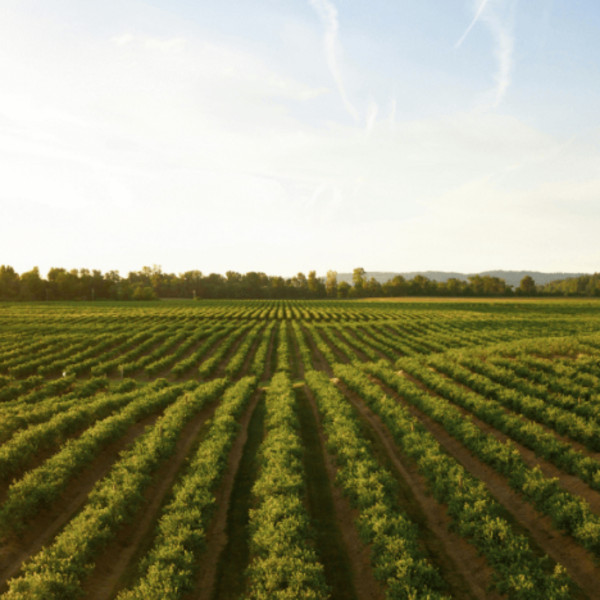
From Discovery to Fields
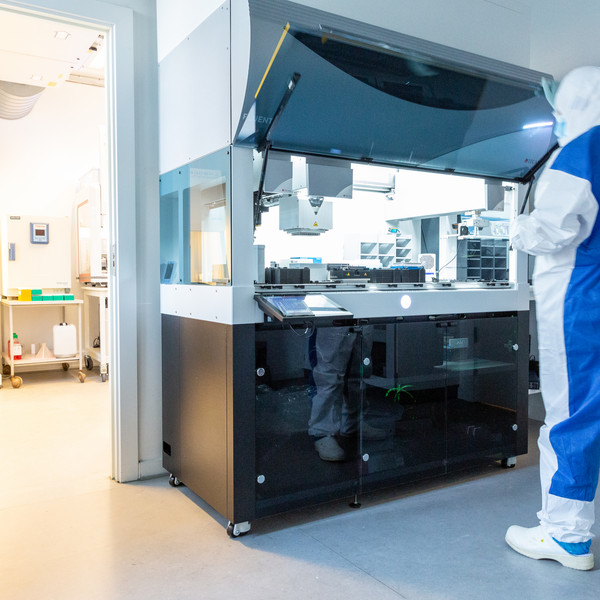
Genes Linked to Resilience
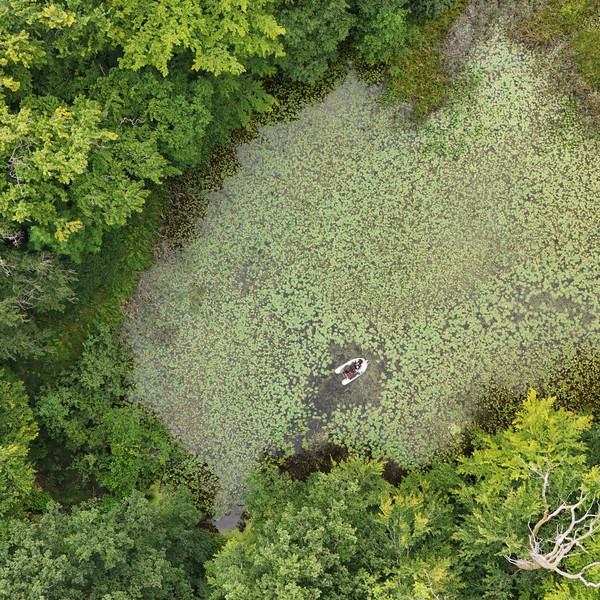
How Species Changed Over Time
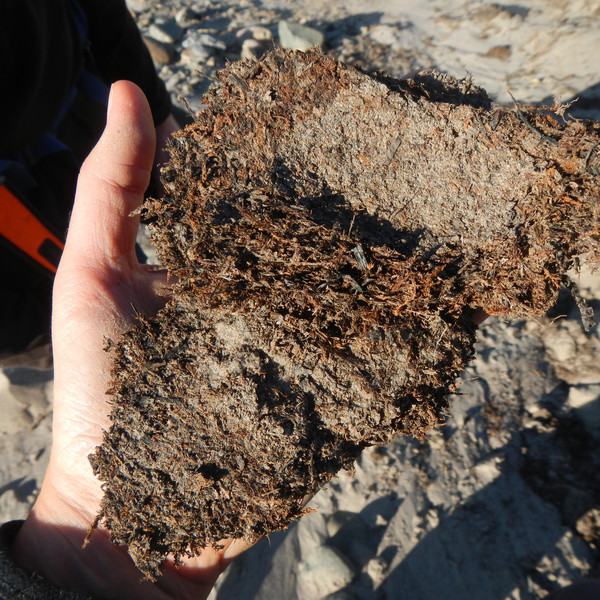
Identifying Life in the Data
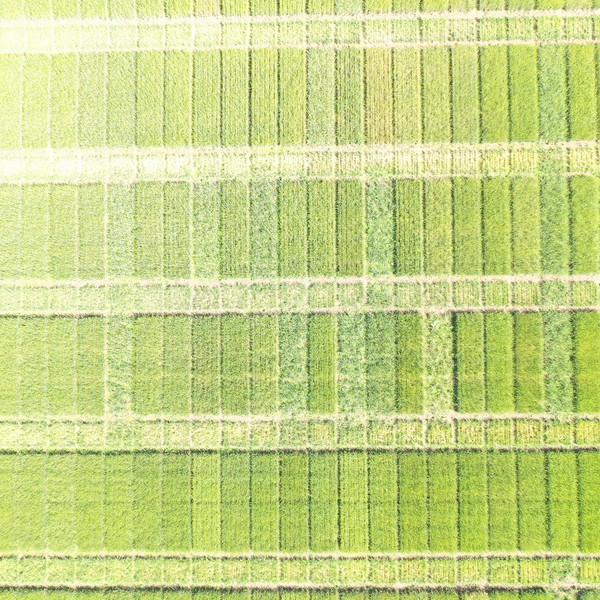
Open Data & Tools
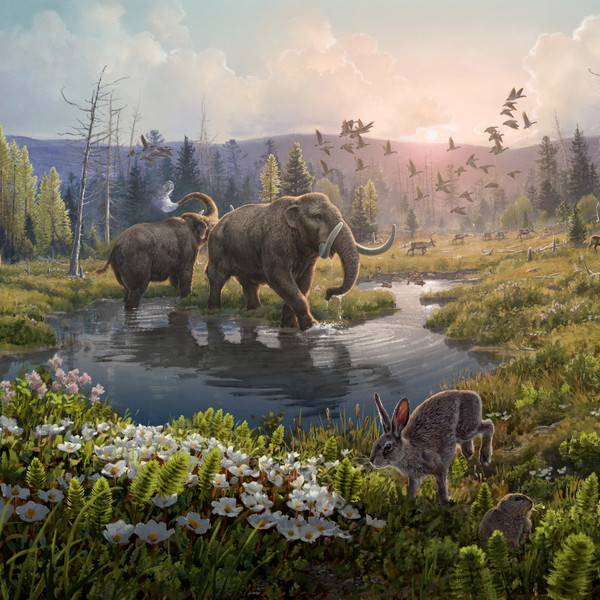
Rebuilding Ancient Ecosystems
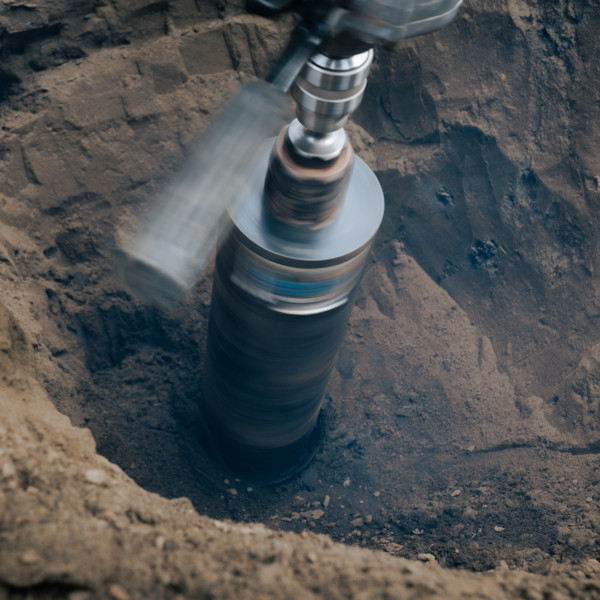
Sampling & Extraction of Ancient DNA